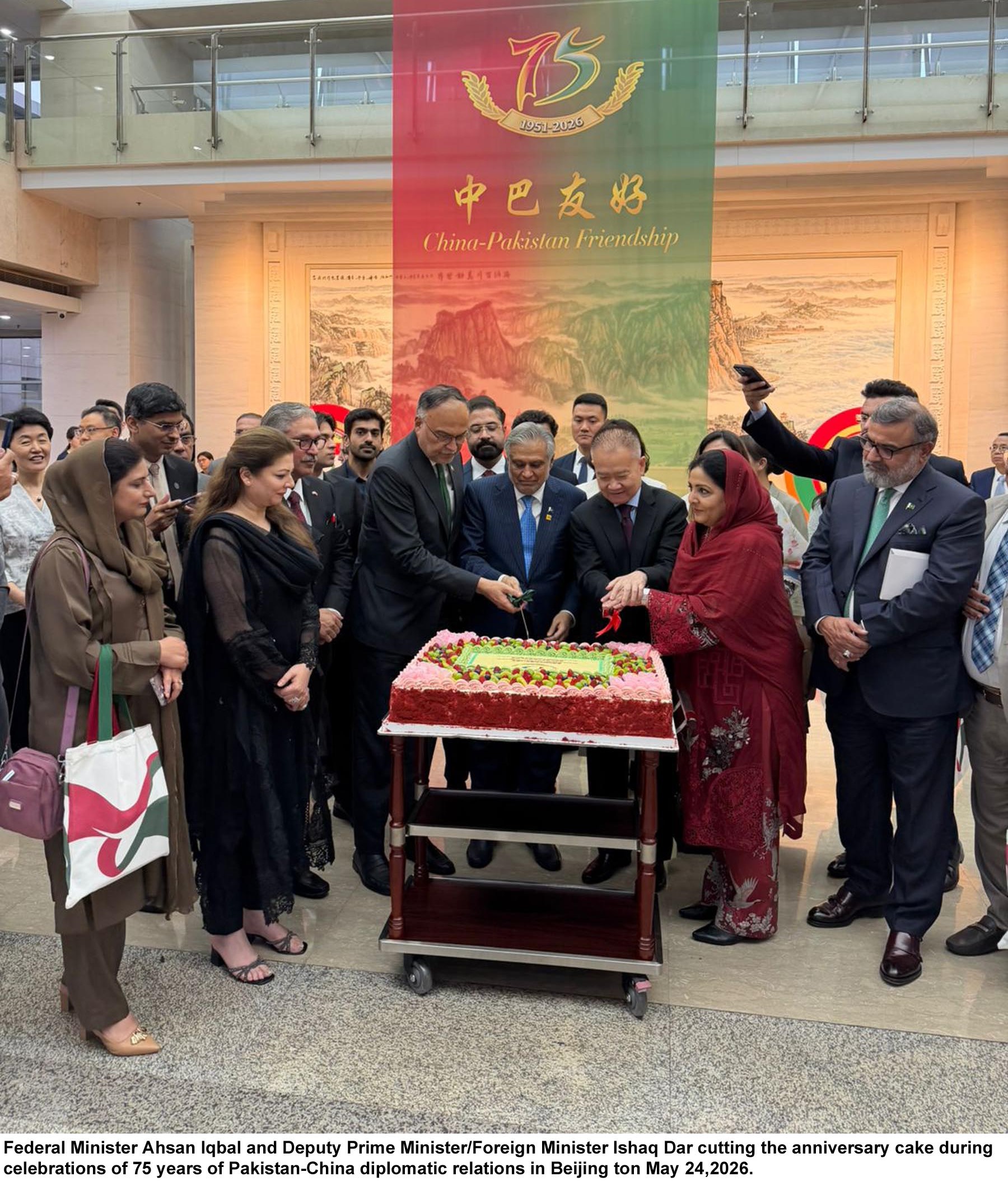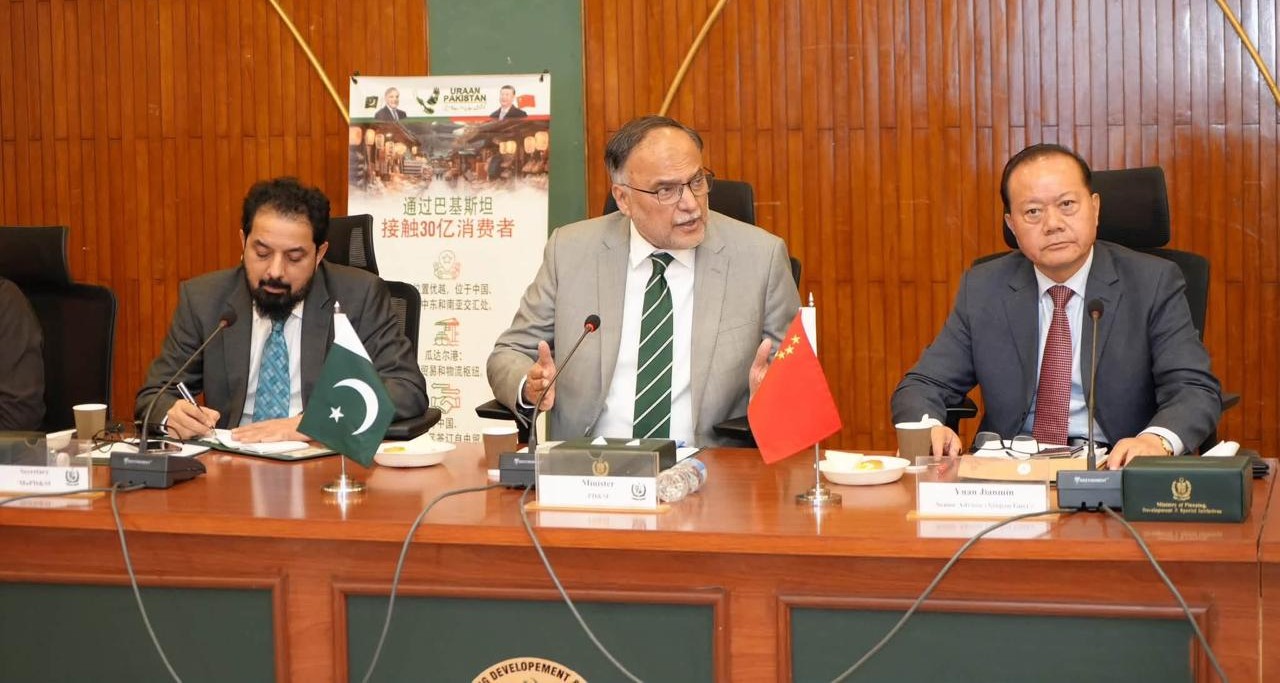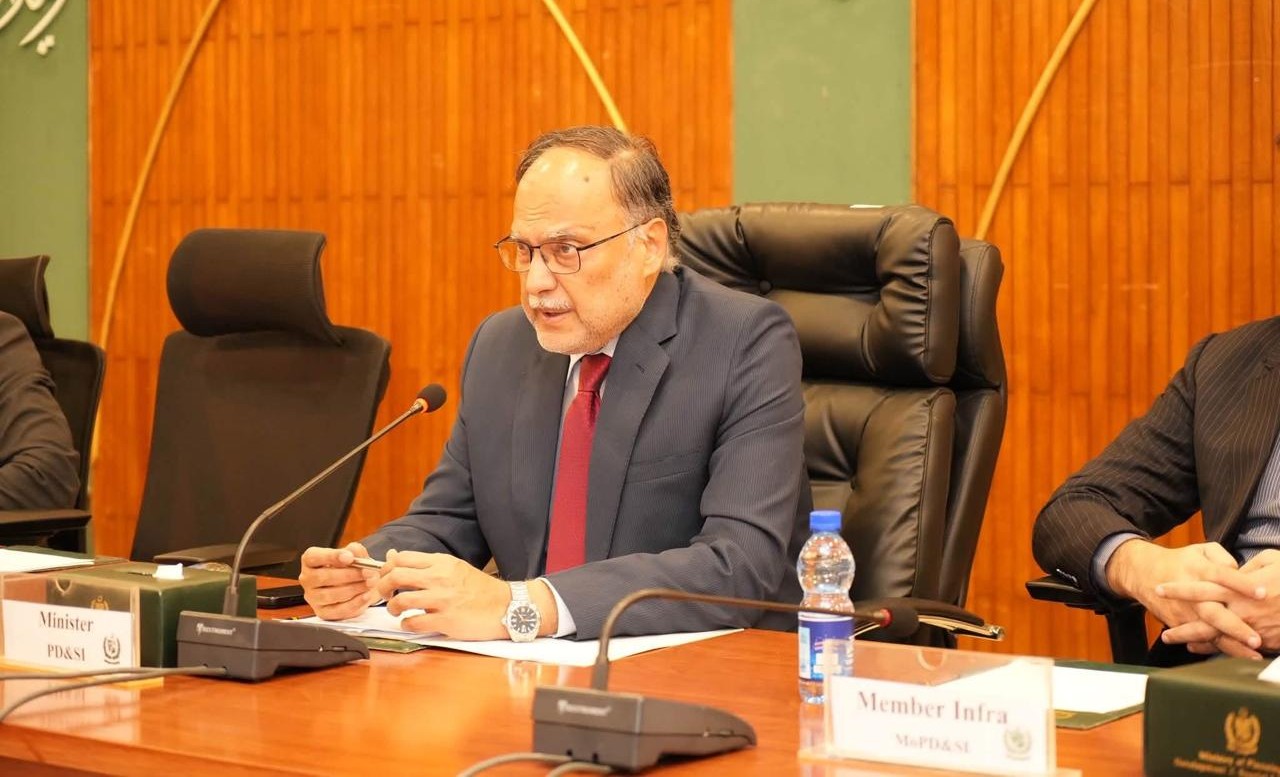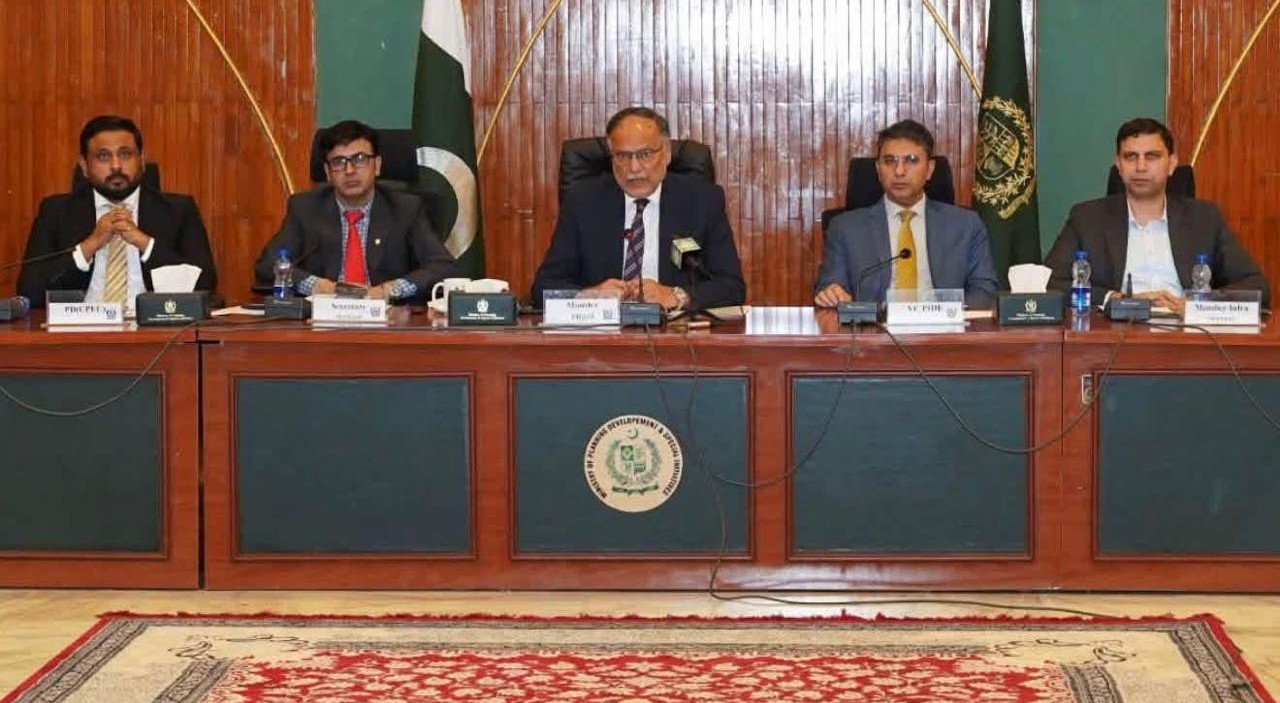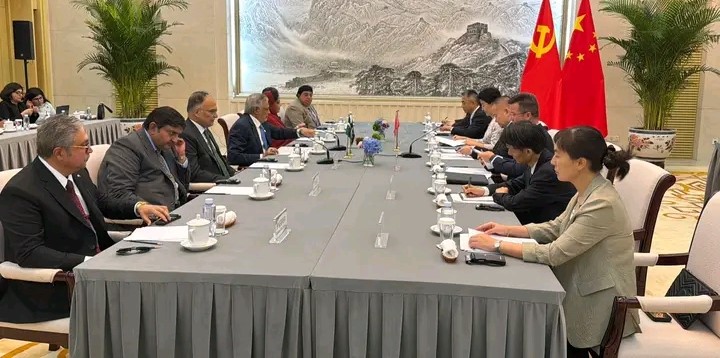
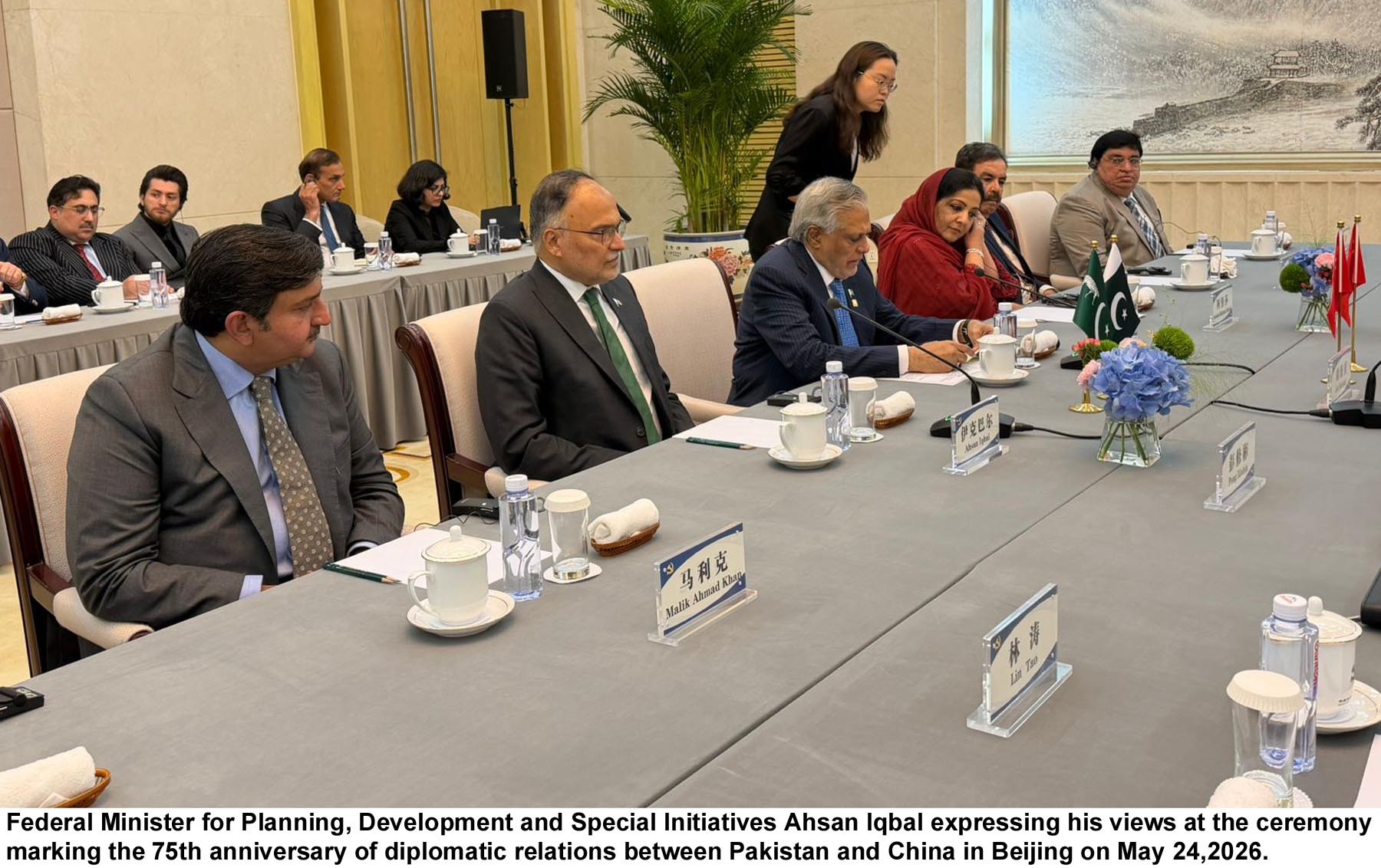
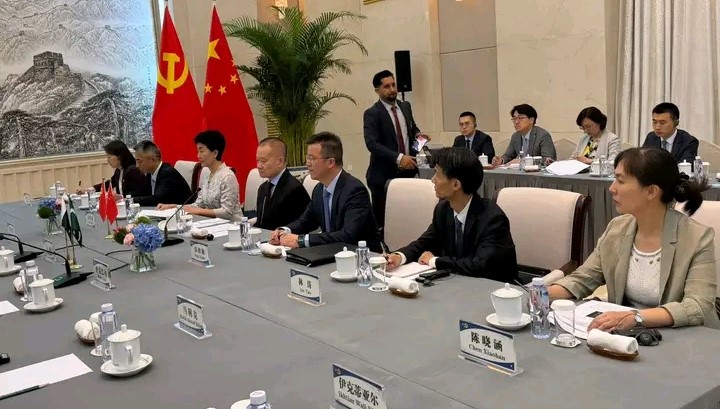
Beijing: May 24, 2026: Speaking at the China–Pakistan Political Parties Forum in Beijing, Federal Minister Prof. Ahsan Iqbal presented a future-oriented vision for CPEC 2.0 by proposing “Five Political Corridors” to complement the existing Five Economic Corridors framework and further institutionalize Pakistan–China cooperation for the future.
Addressing the forum commemorating 75 years of Pakistan–China diplomatic relations, the Minister emphasized that Pakistan–China friendship represents Pakistan’s strongest national consensus — supported by all political forces beyond political transitions and partisan differences.
Describing CPEC as the flagship project of the Belt and Road Initiative, he noted that the corridor has significantly transformed Pakistan’s economic landscape through enhanced energy security, modern infrastructure, regional connectivity, and renewed investor confidence.
Under CPEC 2.0, bilateral cooperation is now advancing toward industrialization, innovation, agricultural modernization, green development, technology, AI, and people-centered progress through five key economic corridors:
• Growth Corridor
• Livelihood Corridor
• Innovation Corridor
• Green Corridor
• Open & Inclusive Regional Development Corridor
To provide long-term political and institutional continuity to these economic initiatives, Prof. Ahsan Iqbal also proposed five political corridors centered on:
• strategic dialogue
• governance and policy knowledge-sharing
• youth engagement and future leadership
• cultural and people-to-people connectivity
• regional peace and cooperation
The Minister reiterated Pakistan’s firm commitment to the timely completion of all CPEC projects and the protection of Chinese nationals working in Pakistan, while reaffirming that Pakistan–China relations are anchored in mutual trust, strategic cooperation, and a shared vision for regional prosperity.