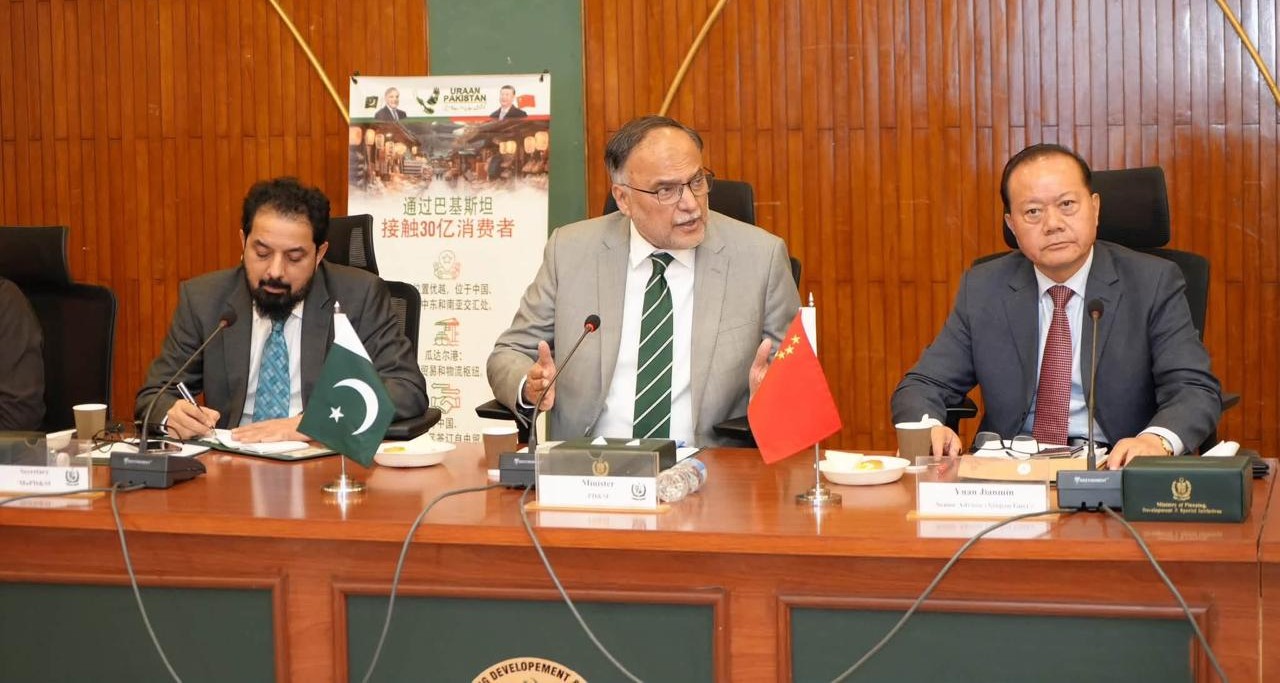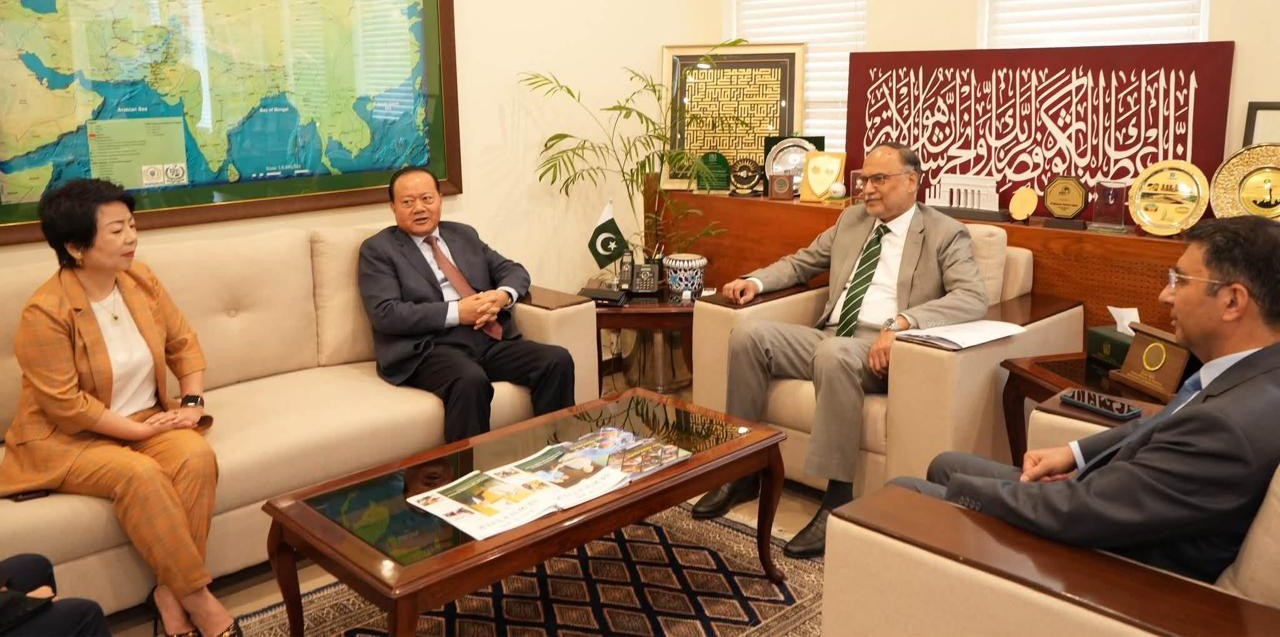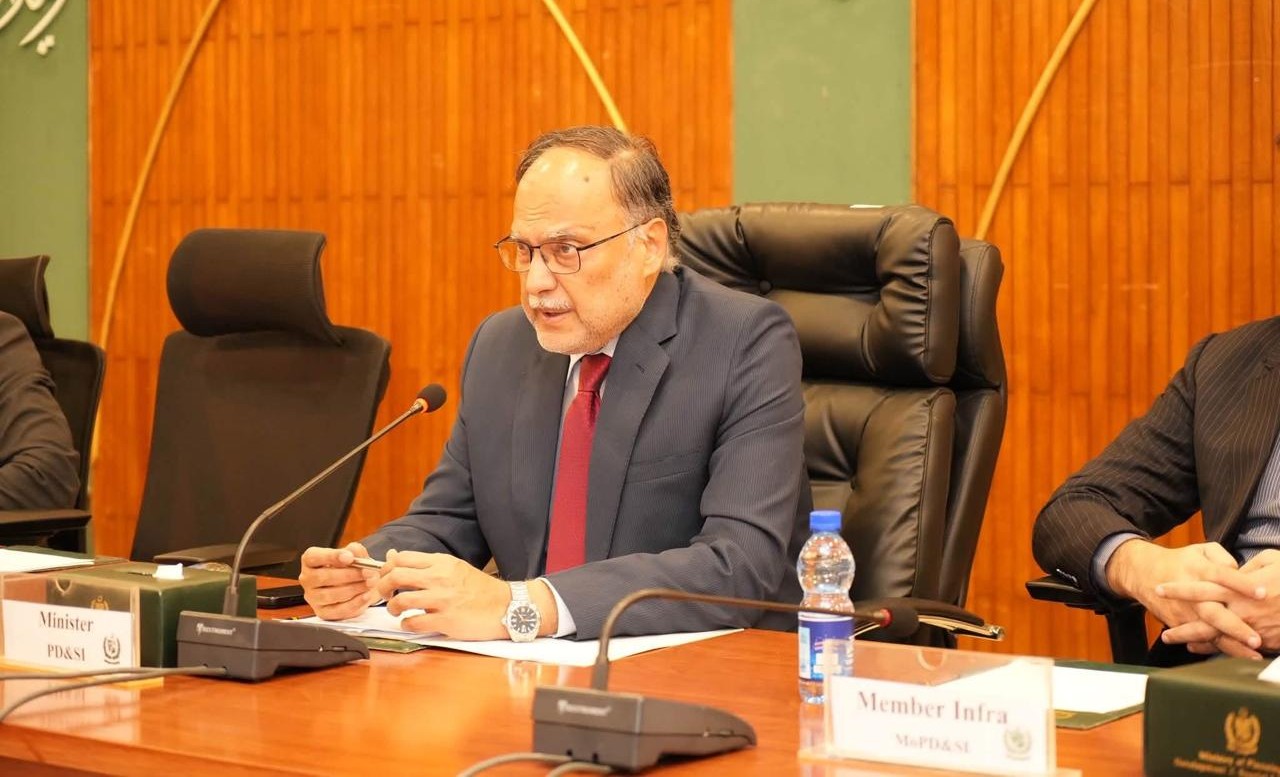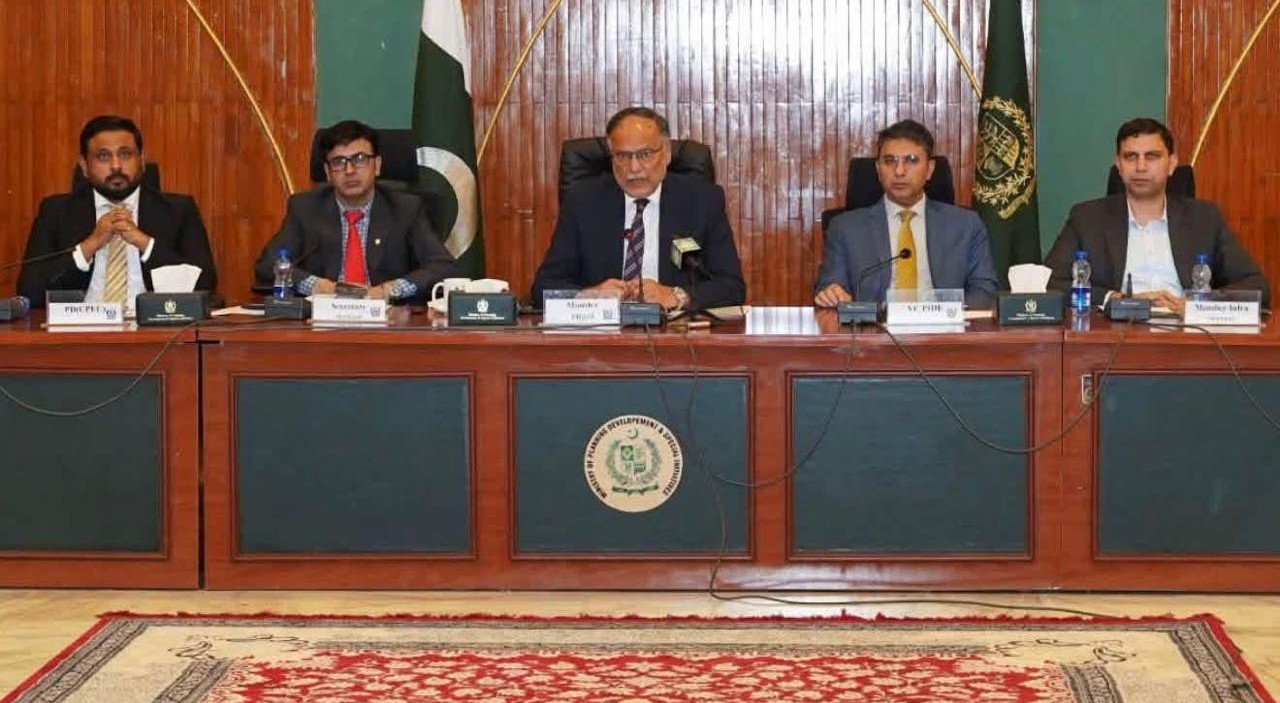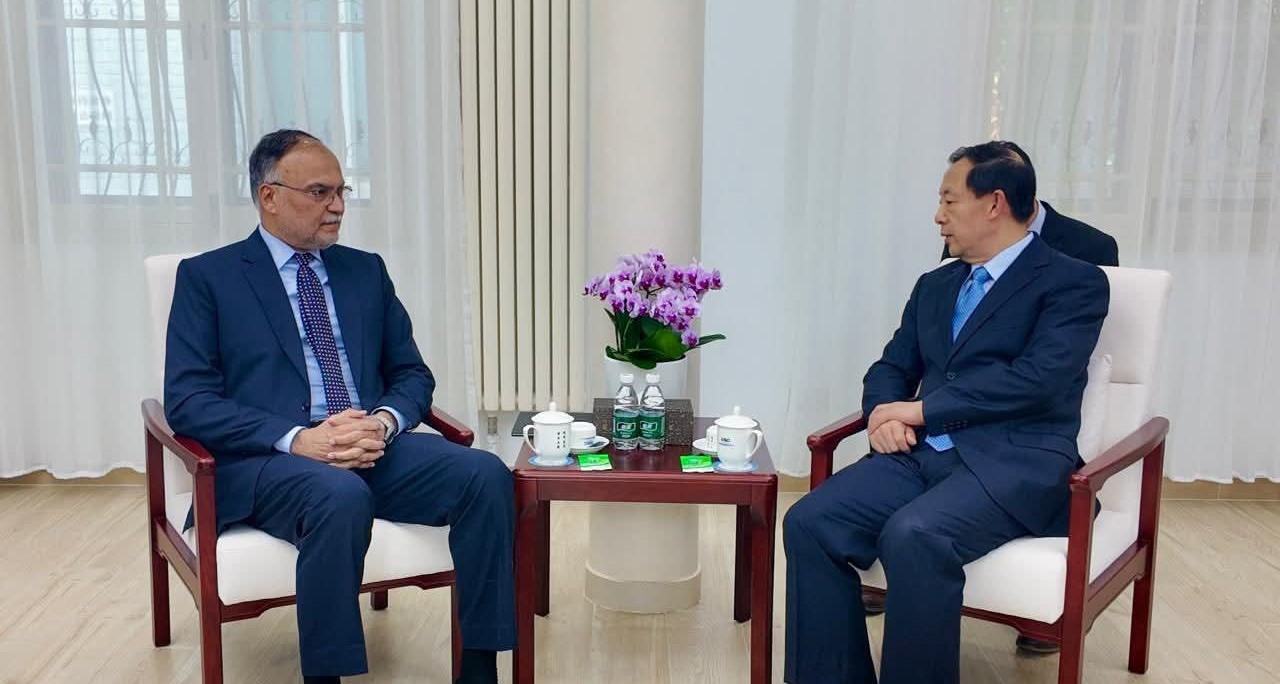
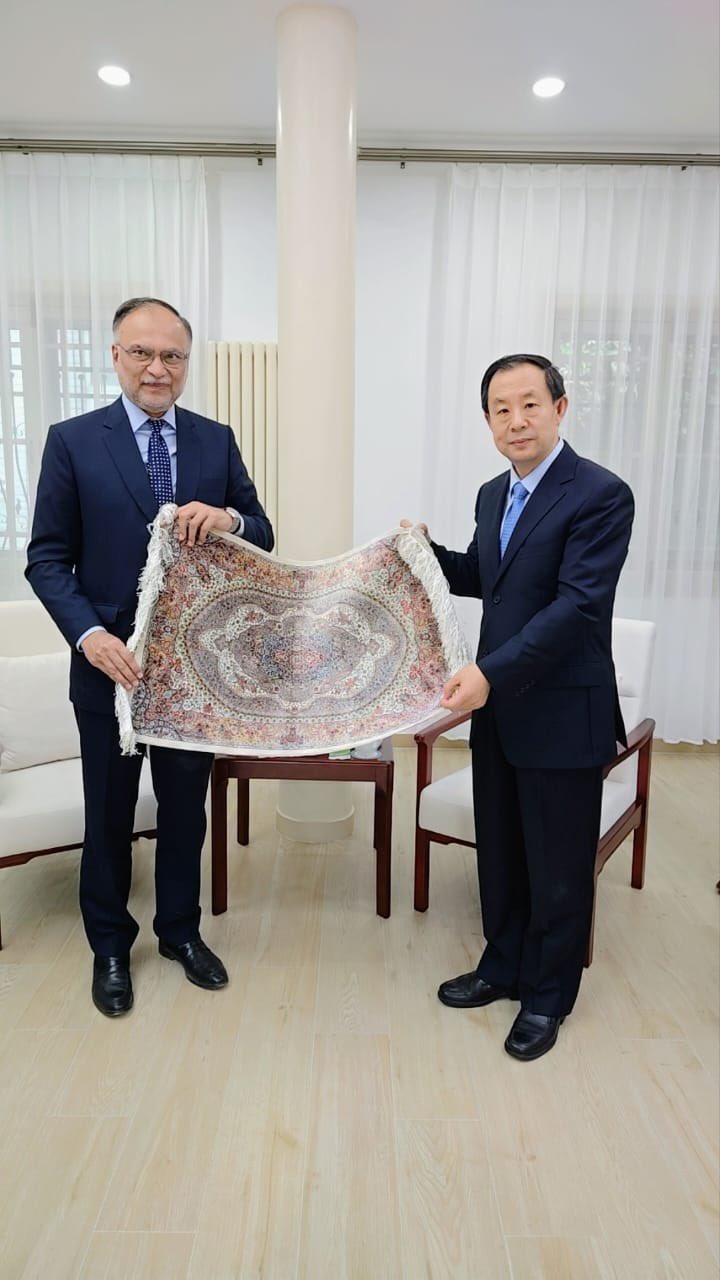
Beijing: August 3rd 2025: Planning Minister Prof Ahsan Iqbal and China’s Development Research Center (DRC) have agreed to launch a comprehensive framework for bilateral cooperation focused on joint research, expert exchanges, and policy innovation.
This initiative will facilitate Pakistan’s journey toward a resilient, export-led economy drawing on China’s reform experience and scientific planning approach.
The collaboration will support Pakistan’s long-term growth vision, including the URAAN Pakistan programme that aims to transform Pakistan into a $1 trillion economy by 2035. By integrating global best practices and fostering institutional linkages, the initiative will build capacity in strategic sectors and strengthen evidence-based policymaking.
This important step was discussed during a high-level meeting between Federal Minister for Planning Prof. Ahsan Iqbal Chaudhary and President Lu Hao, head of DRC and the Center for International Knowledge on Development (CIKD).
Prof. Ahsan Iqbal emphasized that: “CPEC has elevated Pakistan-China friendship from political alliance to a deep socio-economic partnership. Now, we must leverage China’s experience to strengthen trade, stabilize our economy, and unlock our development potential.”
He further highlighted Pakistan’s economic rebound:
• Policy rate reduced from 23% to 11%
• Pakistan Stock Exchange crossed 140,000 points
• Macroeconomic indicators moving in a positive direction
• International confidence in Pakistan’s reform roadmap rising
The Chinese side welcomed Pakistan’s export-led growth strategy and reaffirmed support for deeper cooperation.
Key Outcomes;
• Agreement to sign a historic MoU for joint research, expert exchanges & training
• Focus on tech-driven, export-led growth model for Pakistan
• Collaboration to support Uraan Pakistan—vision to become a $1 trillion economy by 2035
• Learning from China’s reforms that lifted 800 million people out of poverty
• Shared commitment to strengthen Pakistan–China economic and knowledge partnership
A major step toward institutional capacity building, policy innovation, and a prosperous shared future.