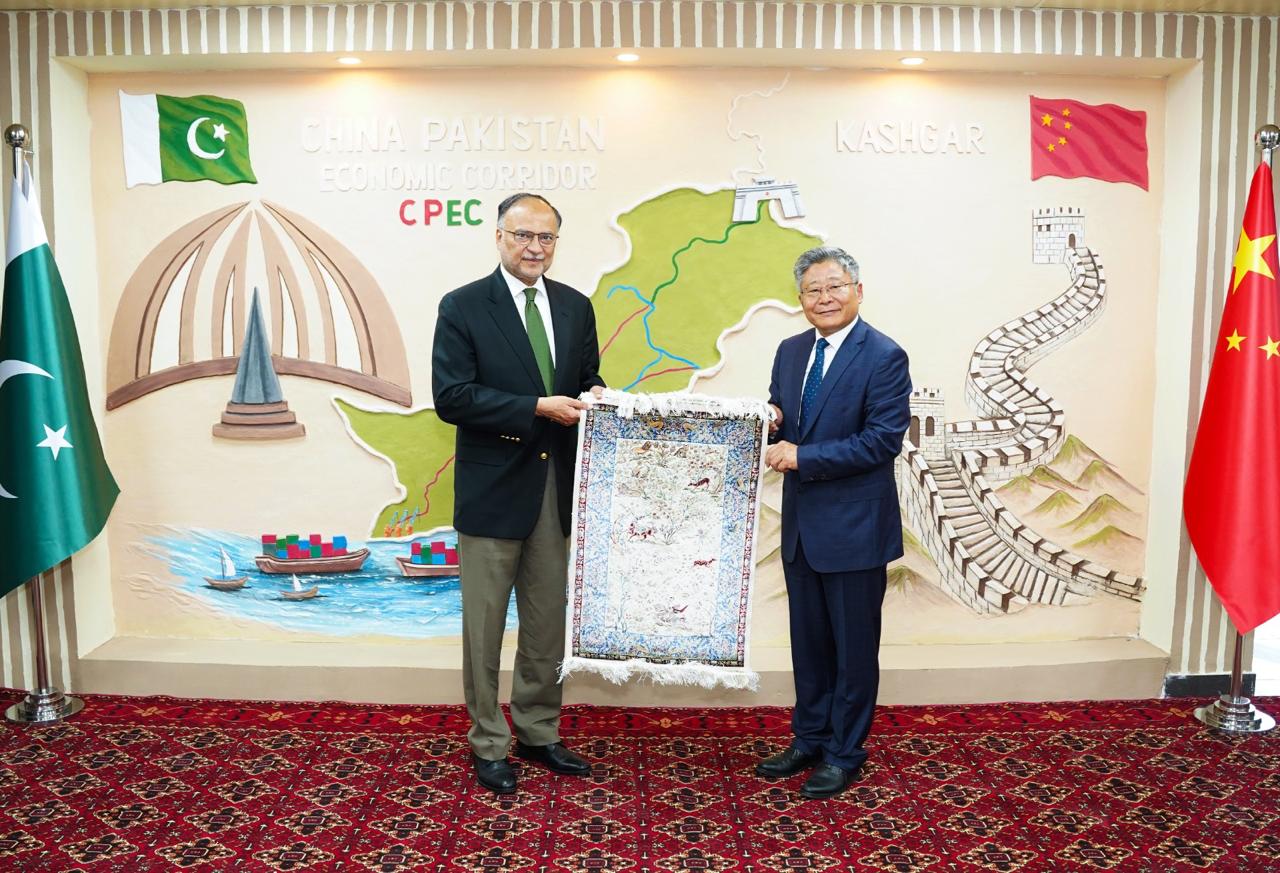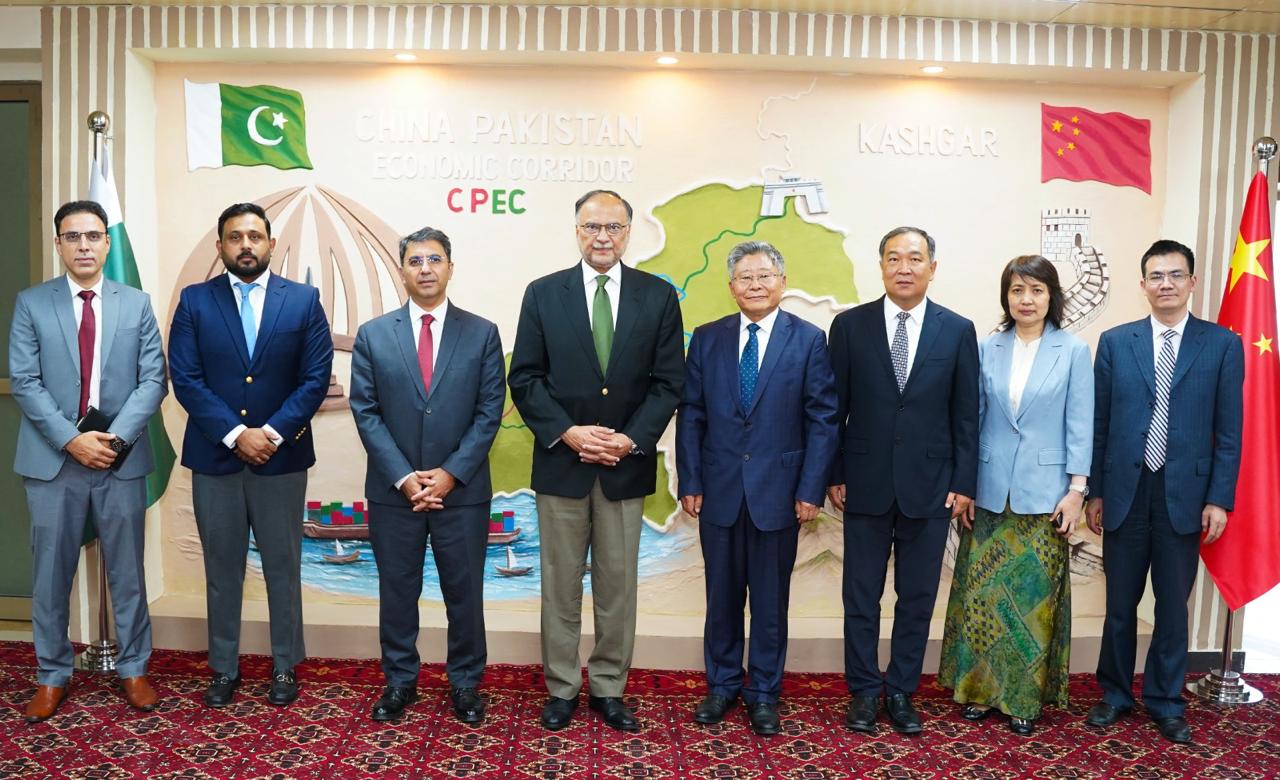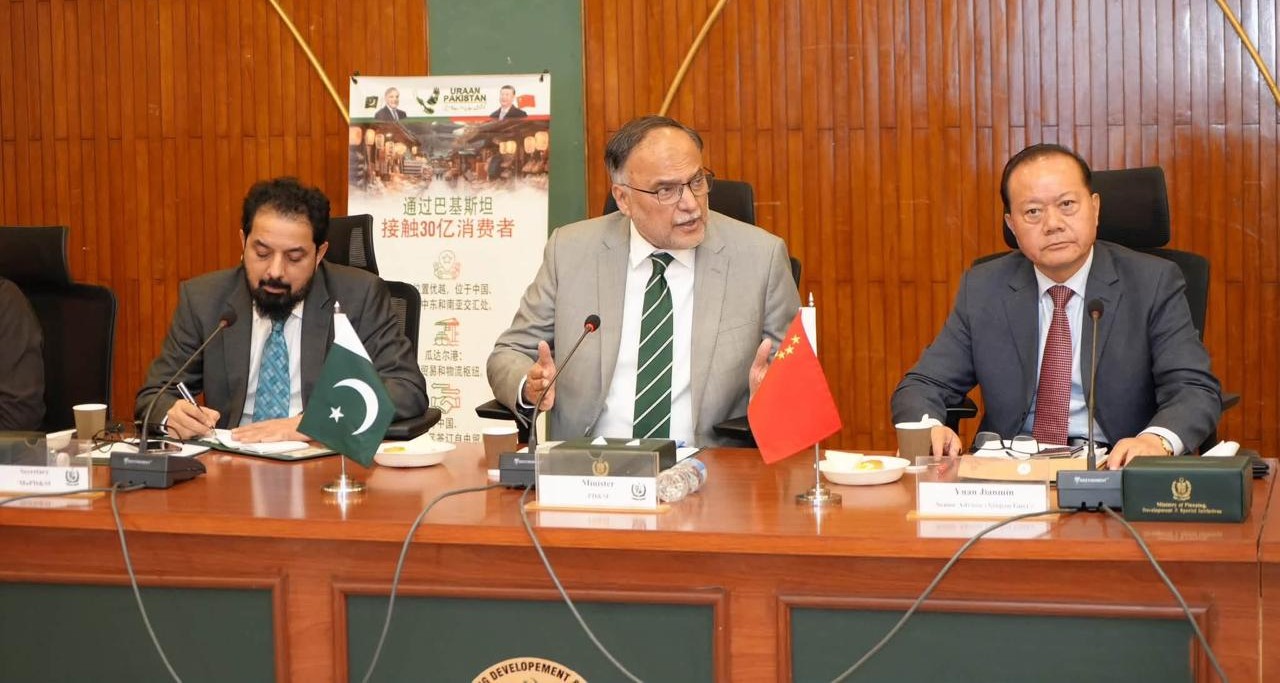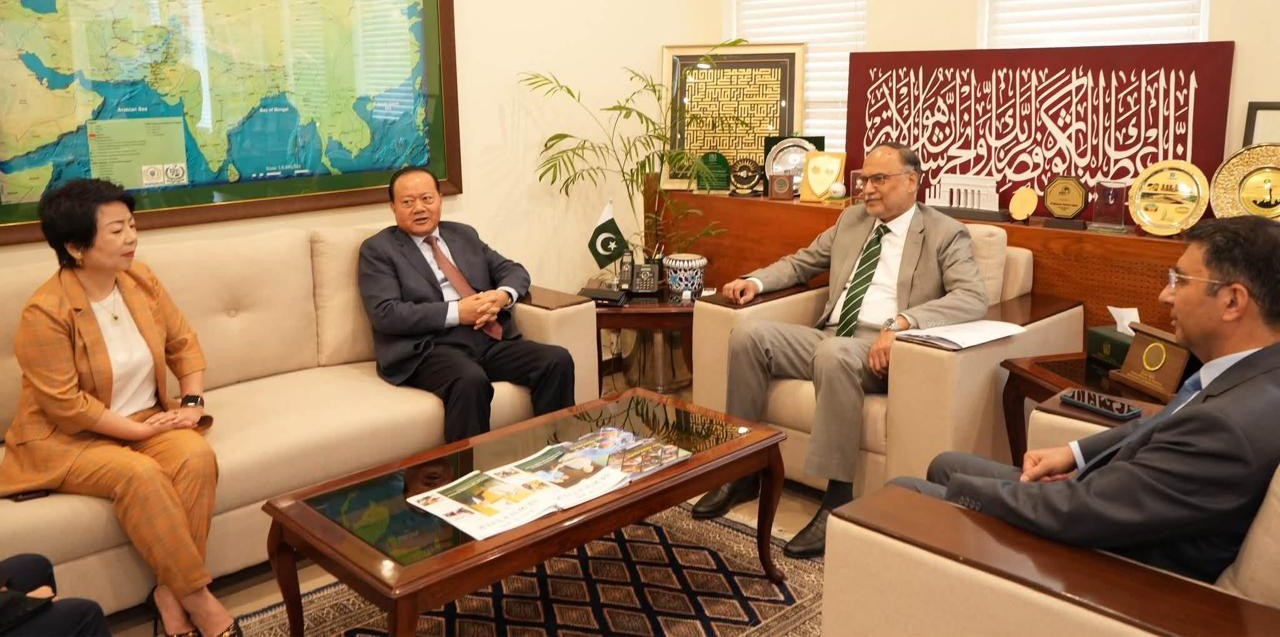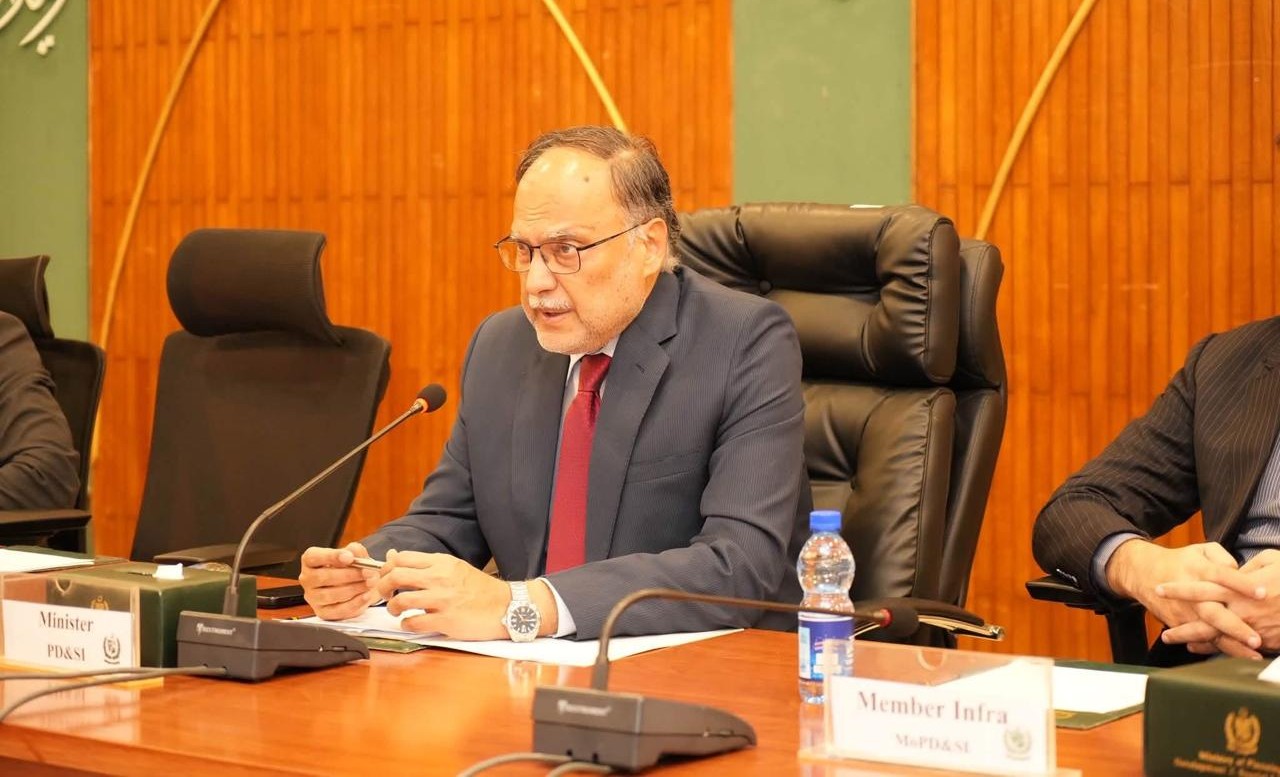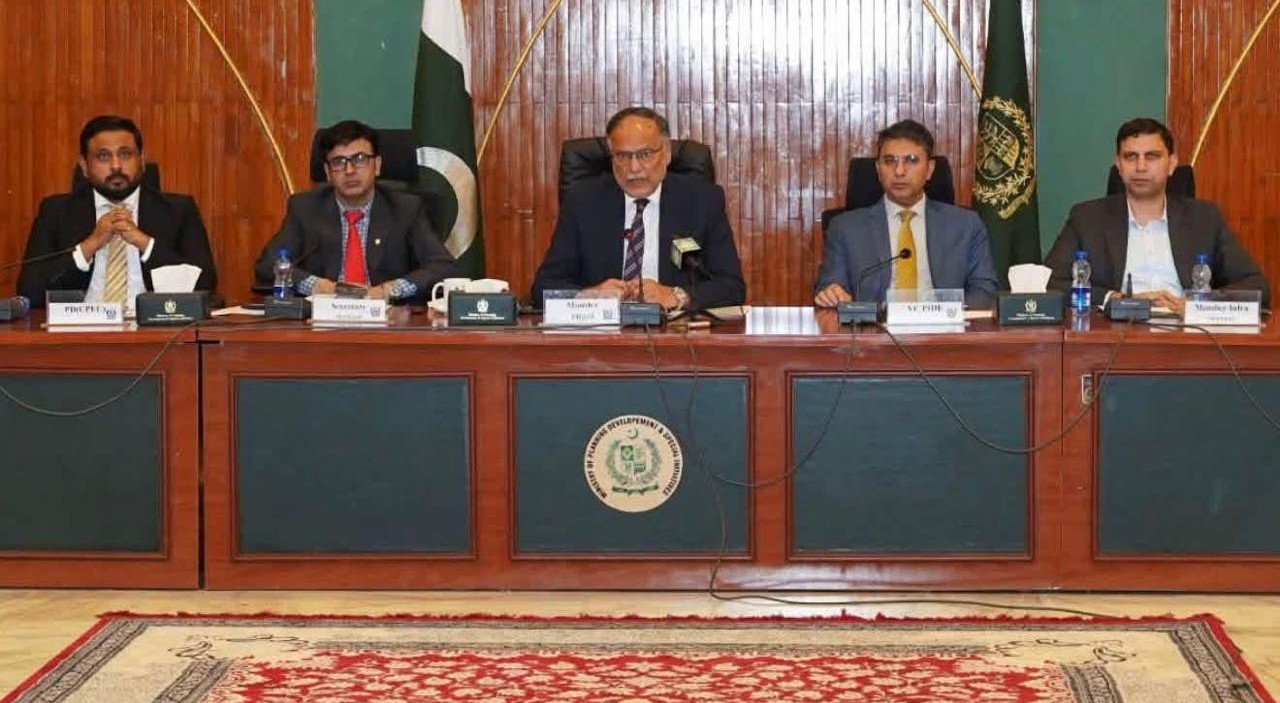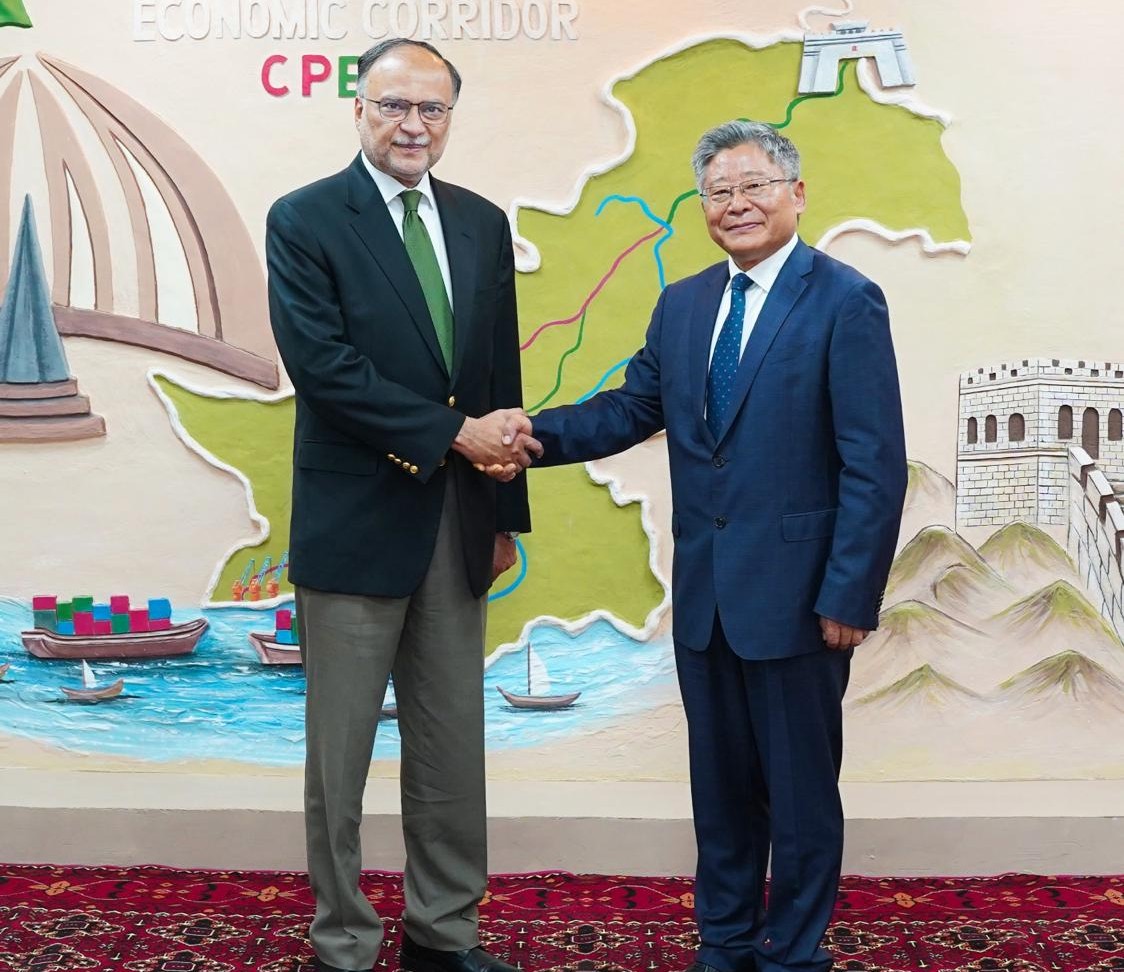
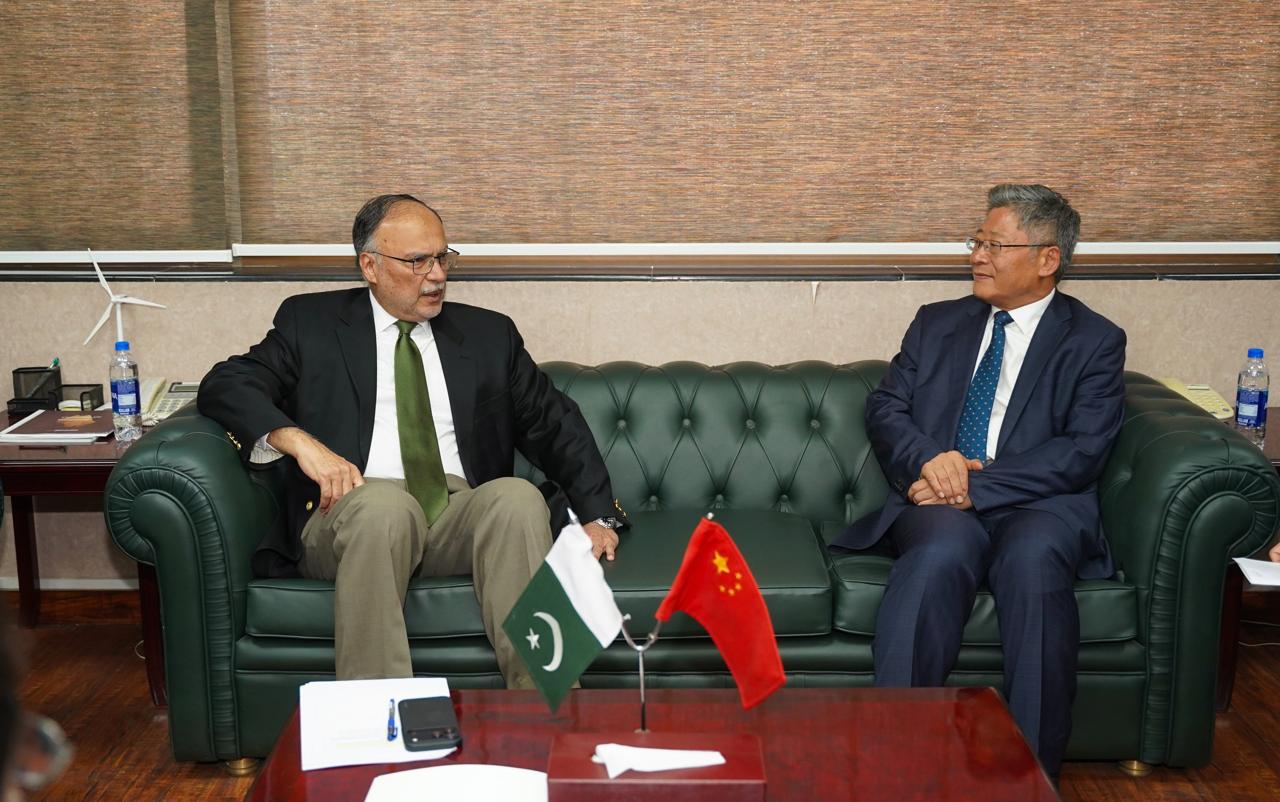
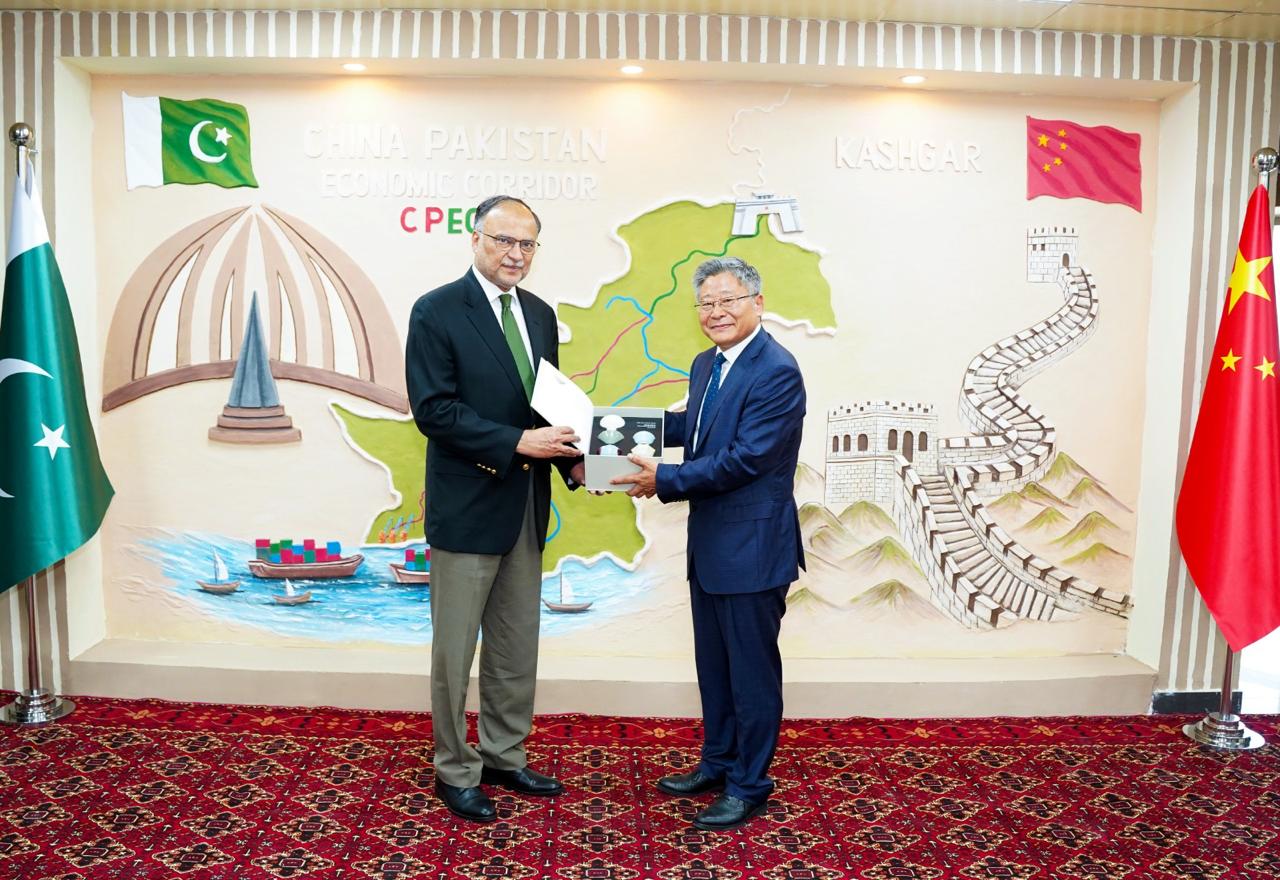
Islamabad, 10 August 2026: The CPEC Secretariat, Ministry of Planning, Development, and Special Initiatives, hosted a high-level delegation from the People’s Republic of China, led by Mr. Sun Dongsheng, Senior Advisor, Economic Affairs Press. The delegation held consultations with Federal Minister for Planning, Development and Special Initiatives, Prof. Ahsan Iqbal, and senior policymakers and development experts for advancing B2B and industrial cooperation under CPEC 2.0.
Prof. Ahsan Iqbal welcomed the delegation and noted that the Pakistan-China All-Weather Strategic Cooperative Partnership is time-tested and resilient. He recalled the important contribution of CPEC Phase I to Pakistan’s energy and infrastructure development and said that the two sides should build on these achievements to advance CPEC 2.0 with greater focus on industrial development, agriculture, science and technology, innovation, mining and minerals, and business-to-business cooperation.
The Minister proposed establishing a structured mechanism through which senior Chinese economists, development experts and policy practitioners could work alongside Pakistani counterparts and share practical lessons from China’s development journey, particularly in export led growth and economic transformation. Emphasising the principle of “teaching a friend how to catch fish rather than simply giving him the fish,” he said the next phase of cooperation should place greater emphasis on knowledge transfer, capacity building and strengthening the skills, technology and institutional capabilities required for a more self-sustaining development path.
Mr. Sun Dongsheng appreciated the warm welcome and reaffirmed the importance of the Pakistan-China friendship. He spoke positively of the achievements made under CPEC Phase I and emphasized the need to further deepen practical cooperation in industry and agriculture, strengthen productive capacity, encourage greater participation of small and medium-sized manufacturing enterprises, and expand enterprise-to-enterprise exchanges and mutually beneficial cooperation.
During the consultations, Dr. Nadeem Javaid, Member, Planning Commission of Pakistan and Vice Chancellor, Pakistan Institute of Development Economics (PIDE), highlighted that CPEC 2.0 should mark a transition from infrastructure to industrialization, from connectivity to competitiveness, from investment to productivity, and increasingly from government-to-government cooperation to deeper business-to-business partnerships. He highlighted the strategic alignment between the Five Corridors of CPEC 2.0 and Pakistan’s URAAN Pakistan 5Es framework, and stressed the importance of translating this alignment into enterprises, technology and innovation, jobs and skills, exports, investment and shared prosperity.
Project Director CPEC, Dr. Muhammad Muzammil Zia, briefed the delegation on the progress and key achievements of CPEC Phase I and the priorities of CPEC 2.0. The briefing covered industrial cooperation, agriculture, science, technology and IT, mining and minerals, Gwadar development and enhanced B2B cooperation.
The two sides had an in-depth exchange of views on strengthening policy coordination, improving implementation mechanisms and expanding practical cooperation. They expressed readiness to further deepen development synergy, promote mutually beneficial cooperation and work together to advance CPEC 2.0 as an important driver of high-quality development and shared prosperity.