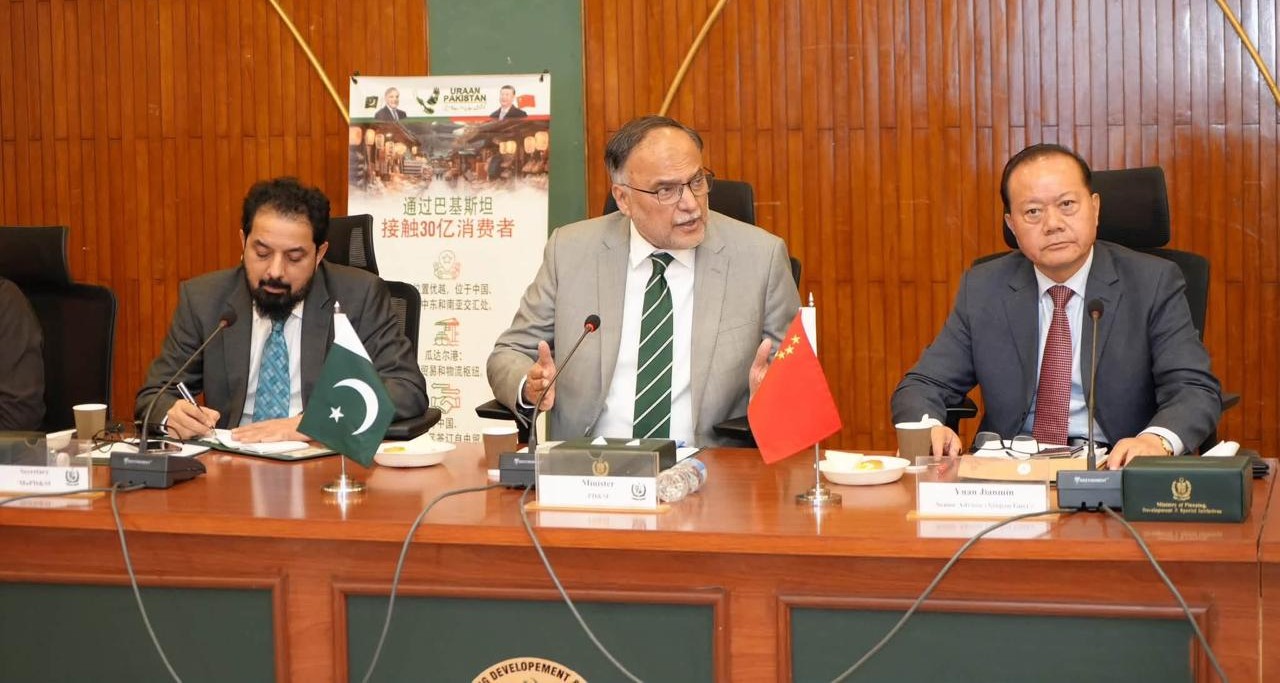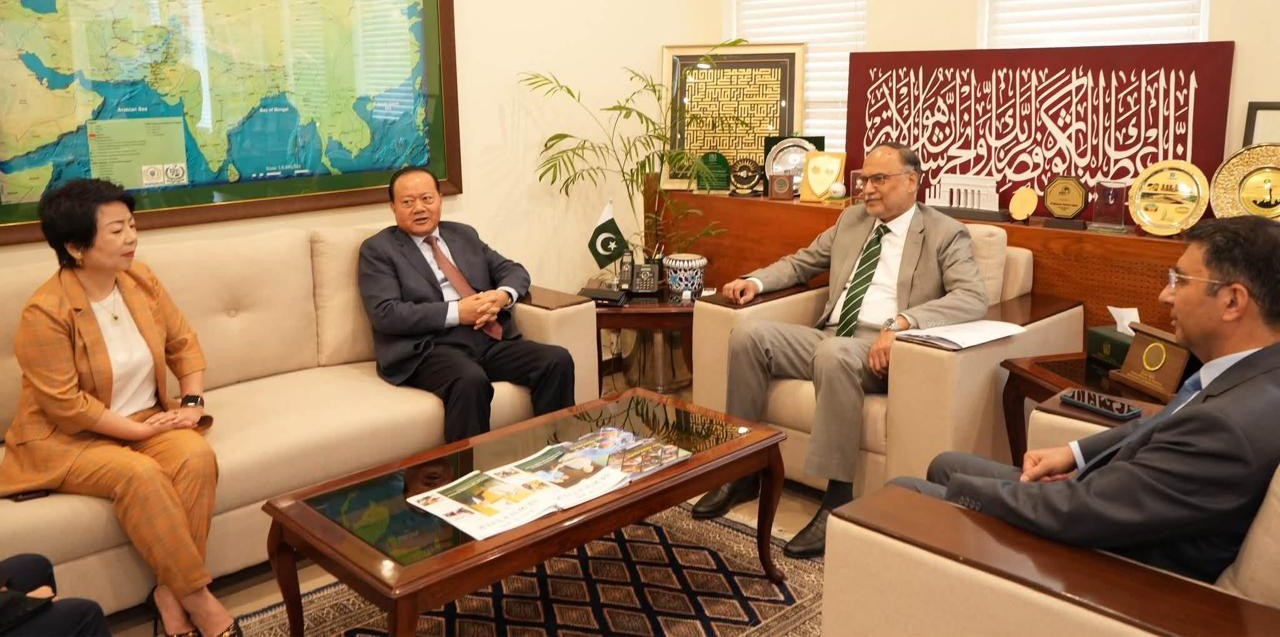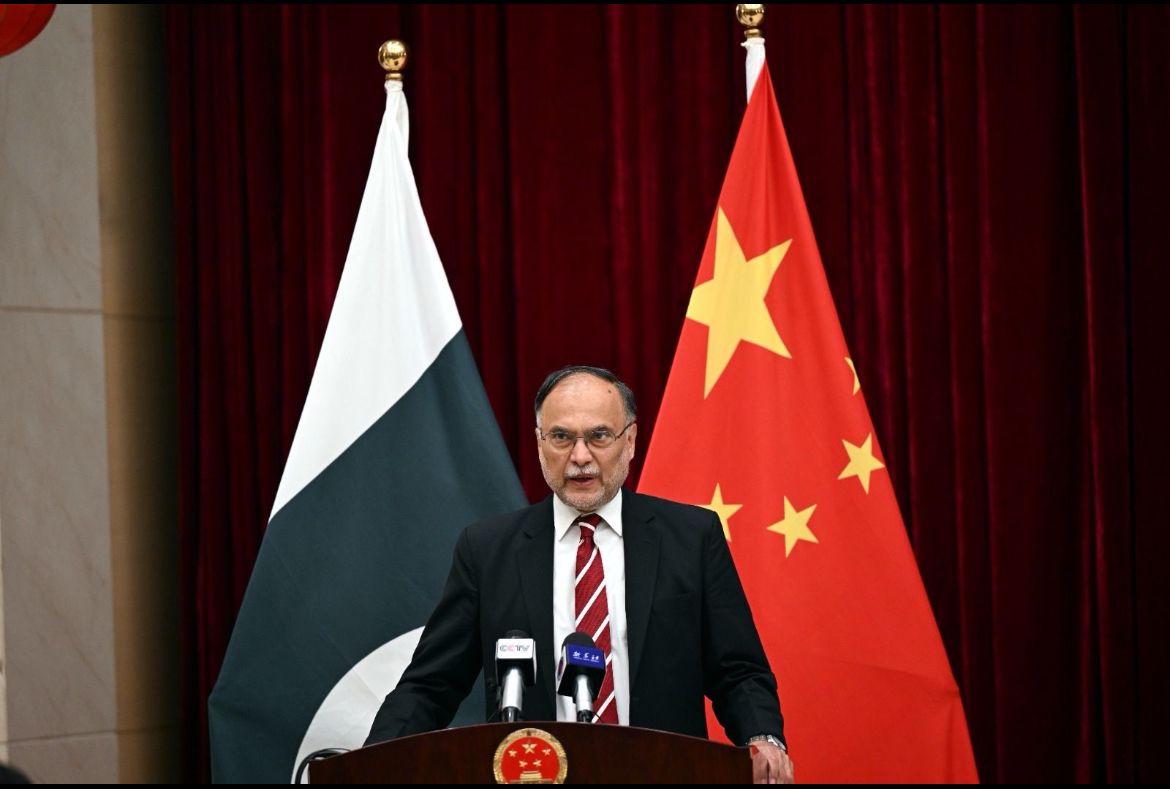
Islamabad: December 15th, 2024: The China-Pakistan Economic Corridor (CPEC), the flagship project of the Belt and Road Initiative, remains the cornerstone of economic cooperation between China and Pakistan. Contrary to rumors suggesting a slowdown, recent developments signal a renewed vigor and strategic focus on advancing the next phase of CPEC, dubbed CPEC Phase 2.0. This pivotal phase aims to redefine the framework of bilateral relations through deeper collaboration, advanced technological transfer, and transformative socio-economic projects.
Federal Minister for Planning, Development, and Special Initiatives, Ahsan Iqbal, is spearheading Pakistan’s engagement in a series of high-profile events in China, including the High-Level Seminar on CPEC 2.0 in Beijing and the 3rd Forum on China-Indian Ocean Region Development Cooperation in Kunming. His participation underscores Pakistan’s seriousness in revitalizing CPEC, addressing unresolved issues, and charting a robust roadmap for Phase 2.0, which envisions long-term prosperity for both nations.
CPEC Phase 2.0: Strengthening Pakistan-China Ties
At the heart of these engagements lies China’s unwavering commitment to transforming CPEC into a strategic partnership that fosters growth, development, and connectivity. Far from being sidelined, CPEC is evolving into a multi-dimensional framework with five key thematic corridors—Growth Corridor, Livelihood-Enhancing Corridor, Innovation Corridor, Green Corridor, and Opening-Up/Regional Connectivity Corridor. These initiatives, proposed by Chinese President Xi Jinping, align seamlessly with Pakistan’s 5Es framework of Economy, Exports, Environment, Energy, and Equity, conceptualized under Ahsan Iqbal’s visionary leadership.
China’s eagerness to propel CPEC into Phase 2.0 is evident from its invitation to a 27-member high-level Pakistani delegation to Beijing. This delegation comprises seasoned professionals and experts from diverse fields who will receive specialized training to build their capacity for collaborative projects with Chinese counterparts. This initiative reflects China’s commitment to transferring cutting-edge technologies, modernizing Pakistan’s infrastructure, and fostering a knowledge-based economy.
Strategic Focus on Mutual Benefits
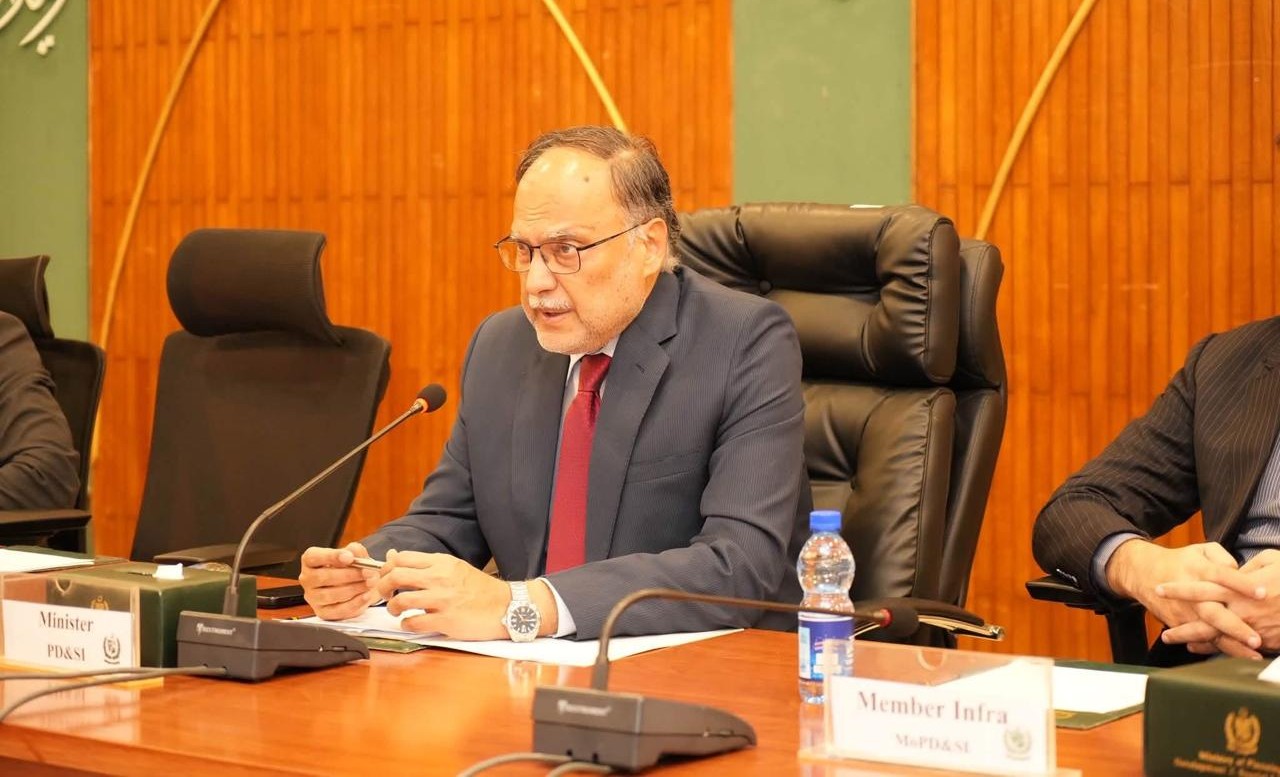
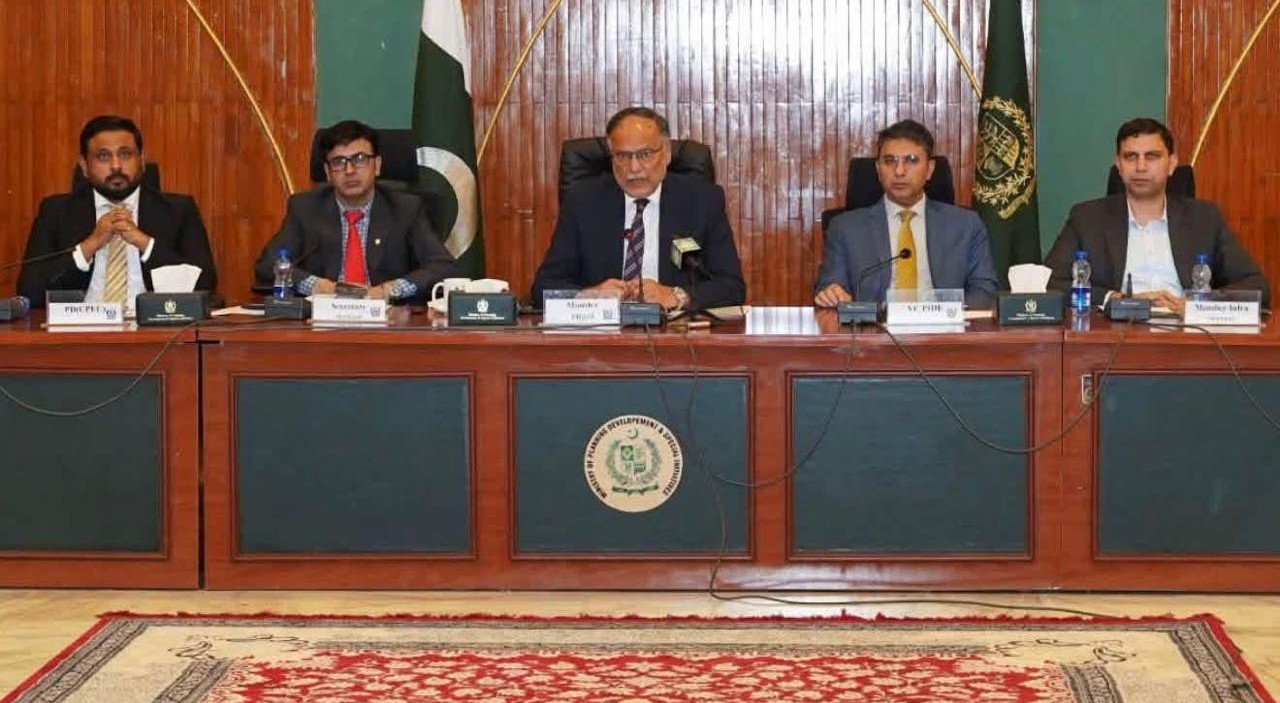
During the preparatory orientation session in Islamabad, chaired by Ahsan Iqbal, the Minister stressed the importance of the delegation’s mission, describing it as a “once-in-a-lifetime opportunity” to learn from China’s transformative journey. He highlighted how China has lifted over 800 million people out of poverty, achieving unparalleled economic progress. This remarkable transformation serves as an inspiring blueprint for Pakistan, which aims to replicate China’s success through sustainable development and poverty alleviation initiatives under CPEC Phase 2.0.
The delegation’s agenda includes key focus areas such as:
• Establishing an economic growth corridor with clear priorities.
• Advancing tech-driven industries and fostering innovation.
• Addressing poverty alleviation, education, and healthcare through targeted socio-economic projects.
• Accelerating energy transitions and promoting sustainable economic models.
• Expanding exports and building global supply chain linkages.
This multifaceted approach aims to position Pakistan as a regional manufacturing and trade hub, serving as an economic engine for South Asia.
Minister Ahsan Iqbal’s Role in Rebuilding Trust
Ahsan Iqbal’s visit to China and participation in these critical engagements are expected to rebuild mutual trust and reassure Chinese leadership of Pakistan’s commitment to CPEC. The Minister has a proven track record in successfully implementing Phase 1 projects, particularly in infrastructure, energy, and Gwadar development. He has also been instrumental in advocating for the establishment of Special Economic Zones (SEZs), paving the way for industrial relocation from China to Pakistan.
Chinese authorities have often acknowledged and praised Ahsan Iqbal’s significant role in steering CPEC projects. His presence in Beijing will send a strong message about Pakistan’s resolve to resolve outstanding issues from Phase 1, particularly regarding project security and operational challenges. A key highlight will be his assurance to Chinese counterparts about prioritizing the security of Chinese nationals working in Pakistan, a critical concern for the Chinese government.
Charting the Path for Future Success
The seminar in Beijing, co-organized by Pakistan’s Ministry of Planning and China’s National Development and Reform Commission (NDRC), will mark the official launch of CPEC Phase 2.0. This high-level event symbolizes the deep-rooted partnership between the two countries and their shared vision for a prosperous future.
With the emphasis on capacity building, this exercise aims to equip Pakistani experts with the skills and strategic vision needed to collaborate effectively with their Chinese counterparts. The delegation’s findings and recommendations will form the cornerstone of a comprehensive blueprint for CPEC Phase 2.0, ensuring its alignment with global sustainable development goals.
A Bright Future Ahead
CPEC Phase 2.0 represents a paradigm shift in Pakistan-China relations. With a focus on innovation, technology transfer, and sustainable development, this new phase promises to unlock Pakistan’s economic potential and position it as a regional leader. The visit of Ahsan Iqbal and the active participation of Pakistani experts in these high-level engagements reflect Pakistan’s unwavering commitment to the success of CPEC. Despite efforts to jeopardise this golden partnership, the China-Pakistan brotherhood is only becoming stronger.
As the two nations strengthen their partnership through initiatives like these, the world will witness CPEC Phase 2.0 emerge as a model of international cooperation and economic integration, benefiting not only China and Pakistan but the entire region.
بیجنگ میں شروع ہونے والی اہم کانفرنسز، ماہرین کے اجلاس اور تجارتی، اقتصادی اور تکنیکی معاملات پر سی پیک فیز 2.0 کے حوالے سے پاکستان اور چین کی شراکت داری کے ایک نئے دور کا آغاز
چین پاکستان اقتصادی راہداری (سی پیک)، جو بیلٹ اینڈ روڈ اقدام کا سب سے اہم منصوبہ ہے، پاکستان اور چین کے معاشی تعاون کی بنیاد ہے۔ ان افواہوں کے برعکس کہ سی پیک کی رفتار کم ہوگئی ہے یا یہ کہ اگلے مرحلے کے لئے چین اور پاکستان کے درمیان معاملات آگے بڑھتے نہیں دکھائی دیتے، تکنیکی تعاون اور پاکستانی ماہرین و اعلیٰ عہدیداروں کے حوالے سے بیجنگ میں سوموار سے شروع ہونے والی اہم سرگرمیاں اور حالیہ پیش رفت اس بات کا اشارہ دیتی ہے کہ اس منصوبے کو ایک نئے جذبے اور اسٹریٹجک سمت کے ساتھ آگے بڑھایا جا رہا ہے۔ سی پیک فیز 2.0 نہ صرف پاکستان اور چین کے تعلقات کو مزید مستحکم کرے گا بلکہ تکنیکی تعاون، جدید انفراسٹرکچر، اور سماجی و اقتصادی منصوبوں کی ایک نئی راہ ہموار کرے گا۔
وفاقی وزیر برائے منصوبہ بندی، ترقی، اور خصوصی اقدامات، پروفیسر احسن اقبال، چین میں ہونے والے اہم اجلاسوں اور تقریبات میں پاکستان کی نمائندگی کر رہے ہیں، جن میں بیجنگ میں سی پیک 2.0 کے اعلیٰ سطحی سیمینار اور تیسرے فورم برائے چائنا-انڈین اوشن ریجن ڈویلپمنٹ کوآپریشن شامل ہیں۔ ان کی شرکت یہ ظاہر کرتی ہے کہ پاکستان سی پیک کو نئے عزم کے ساتھ آگے بڑھانے اور دونوں ممالک کے لیے ترقی کے ایک مضبوط خاکے پر کام کرنے کے لیے پرعزم ہے۔
سی پیک فیز 2.0: تعلقات کی نئی بنیاد
ان سرگرمیوں کا مرکز وہ عزم ہے جو چین نے سی پیک کو ایک اسٹریٹجک شراکت داری میں تبدیل کرنے کے لیے ظاہر کیا ہے۔ یہ منصوبہ اب ایک کثیر الجہتی فریم ورک میں ڈھل رہا ہے جس میں پانچ اہم راہداریاں شامل ہیں:
1. گروتھ کوریڈور (ترقی کی راہداری)،
2. زندگی کے معیار کو بہتر بنانے والی راہداری،
3. جدت کی راہداری،
4. سبز ترقی کی راہداری، اور
5. علاقائی رابطہ کاری کی راہداری۔
یہ تمام منصوبے چینی صدر شی جن پنگ کی تجویز کردہ ہیں اور پاکستان کے “5Es” فریم ورک (معیشت، برآمدات، ماحولیات، توانائی، اور مساوات) کے ساتھ ہم آہنگ ہیں، جو احسن اقبال کے وژن کی عکاسی کرتا ہے۔
چین کی سنجیدگی کا ایک مظہر یہ بھی ہے کہ بیجنگ میں پاکستان کے 27 ماہرین پر مشتمل ایک اعلیٰ سطحی وفد کو مدعو کیا گیا ہے۔ یہ وفد چین کے ترقیاتی ماڈل کا جائزہ لے گا اور باہمی منصوبوں پر کام کرنے کے لیے اپنی صلاحیتوں کو بہتر بنائے گا۔ یہ اقدام چین کی جانب سے پاکستان کو جدید ٹیکنالوجی، مضبوط انفراسٹرکچر، اور علم پر مبنی معیشت کی طرف بڑھانے کے عزم کا عکاس ہے۔
پاکستان کے لیے مواقع اور فوائد
اسلام آباد میں منعقدہ ایک تیاری اجلاس میں احسن اقبال نے وفد کی اہمیت پر زور دیتے ہوئے کہا کہ یہ ایک “نایاب موقع” ہے جہاں پاکستان چین کی ترقی سے سیکھ سکتا ہے۔ انہوں نے کہا کہ چین نے 80 کروڑ سے زائد افراد کو غربت سے نکال کر دنیا کے سامنے ایک بے مثال مثال قائم کی ہے، اور پاکستان اس کامیابی کو اپنے لیے ایک نمونہ بنا سکتا ہے۔
اس دورے کے اہم نکات درج ذیل ہیں:
• ایک اقتصادی راہداری کے قیام کے لیے ترجیحات کا تعین۔
• ٹیکنالوجی اور جدت پر مبنی صنعتوں کو فروغ دینا۔
• غربت، تعلیم، اور صحت جیسے سماجی مسائل پر توجہ دینا۔
• توانائی کے نئے ماڈلز اور پائیدار ترقی کی رفتار بڑھانا۔
• برآمدات کو بڑھانا اور عالمی سپلائی چین کے ساتھ روابط قائم کرنا۔
وفاقی وزیر کا کردار اور چین کا اعتماد
احسن اقبال کا یہ دورہ چین کی قیادت کو اس بات کا یقین دلانے کے لیے ایک اہم موقع فراہم کرتا ہے کہ پاکستان سی پیک کے حوالے سے اپنے وعدوں کو پورا کرنے کے لیے مکمل طور پر پرعزم ہے۔ احسن اقبال نے سی پیک کے پہلے مرحلے میں بنیادی ڈھانچے، توانائی، اور گوادر کے منصوبوں کی کامیاب تکمیل میں اہم کردار ادا کیا ہے۔ انہوں نے خصوصی اقتصادی زونز کے قیام کے لیے بھی اہم کوششیں کیں، جو پاکستان کو چین کی صنعتوں کے لیے ایک پرکشش منزل کے طور پر ابھارنے میں معاون ثابت ہوئیں۔
چینی حکام اکثر احسن اقبال کے کردار کو سراہتے ہیں، اور ان کی بیجنگ میں موجودگی یہ پیغام دے گی کہ پاکستان سی پیک کے تمام زیر التوا مسائل حل کرنے، چینی شہریوں کی سیکیورٹی کو یقینی بنانے، اور مستقبل کے منصوبوں کو کامیاب بنانے کے لیے مکمل عزم رکھتا ہے۔
ایک روشن مستقبل کی طرف گامزن
بیجنگ میں منعقد ہونے والا سیمینار سی پیک فیز 2.0 کے باضابطہ آغاز کی نمائندگی کرتا ہے۔ یہ سرگرمیاں دونوں ممالک کی شراکت داری کو مضبوط بنانے اور ایک مشترکہ خوشحال مستقبل کے لیے ایک جامع منصوبہ بندی کی طرف اشارہ کرتی ہیں۔
سی پیک فیز 2.0 نہ صرف پاکستان اور چین کے تعلقات کو ایک نئی بلندی پر لے جائے گا بلکہ جدید ٹیکنالوجی، اختراع، اور پائیدار ترقی کے ذریعے دنیا کو ایک نیا ماڈل بھی پیش کرے گا۔ احسن اقبال کی قیادت میں یہ دورہ اس بات کا ثبوت ہے کہ پاکستان اور چین مل کر ایک روشن اور خوشحال مستقبل کی طرف گامزن ہیں۔